What is the difference between polypropylene and PET strapping?
Polypropylene strapping is typically used for lighter to medium-duty applications such as cartons, bundles, and unitized pallet loads, while PET strapping is stronger and better suited for heavier loads or long-term tension retention. Polypropylene is often more economical and easier to handle for everyday packaging operations. The right choice depends on load weight, storage conditions, and the type of strapping equipment being used.
What is polypropylene strapping used for?
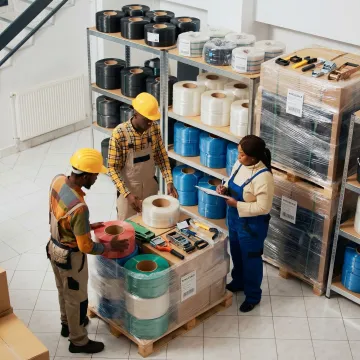
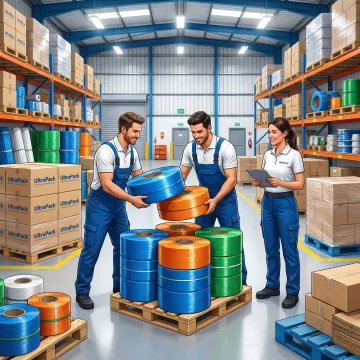
Polypropylene strapping is commonly used to secure cartons, bundle products together, stabilize pallet loads, and support shipping preparation in warehouses and manufacturing facilities. It works well in high-volume packaging environments because it is lightweight, cost-effective, and compatible with many semi-automatic and automatic strapping machines. It is especially useful for routine load containment where steel strapping would be unnecessary.
Can I order polypropylene strapping in bulk for recurring use?
Yes. Bulk ordering is ideal for facilities with steady packaging demand, and John Maye Company offers wholesale and standing-order programs to support recurring use. These programs help maintain inventory consistency, reduce emergency reorders, and simplify purchasing for production teams. Bulk supply options are especially valuable for manufacturers and distribution centers that run daily carton sealing, bundling, or pallet stabilization processes.
How quickly can bulk polypropylene strapping be shipped?
John Maye Company offers 24-hour shipping from its Waukesha, Wisconsin warehouse for industrial packaging supplies. That fast turnaround helps customers replenish stock quickly and reduce the risk of packaging interruptions. For operations with regular usage, standing-order or just-in-time programs can further improve supply continuity and make sure strapping arrives in line with production schedules.
Is polypropylene strapping compatible with automatic strapping machines?
In many cases, yes. Polypropylene strapping is widely used with semi-automatic and automatic strapping machines, but compatibility depends on strap width, thickness, core size, and machine specifications. John Maye Company also supports strapping equipment sales and technical guidance, which helps customers choose material that performs reliably with their existing machinery or with new equipment being installed.
What industries commonly use bulk polypropylene strapping?
Polypropylene strapping is commonly used in manufacturing, warehousing, retail distribution, food and beverage, e-commerce, pharmaceuticals, and construction materials. These industries often need a practical way to secure cartons, bundles, and palletized shipments at scale. Because it balances performance and cost, polypropylene strapping is a strong fit for facilities that process high packaging volumes every day.
How do I choose the right polypropylene strapping size?
The right size depends on the weight of the load, package dimensions, required tension, and the type of strapping equipment in use. Width and thickness affect break strength and application performance, so selecting the correct specification is important for both load security and machine efficiency. A supplier with packaging expertise can help match strap size to your throughput, products, and shipping conditions.
Do you offer support beyond supplying the strapping itself?
Yes. In addition to wholesale packaging supplies, John Maye Company supports customers with strapping equipment sales, servicing, maintenance, installation, and operator training. That broader support is valuable for facilities that want one source for both consumables and equipment guidance. It also helps reduce downtime by making it easier to troubleshoot material or machine-related packaging issues.